Is the 1on1 System Worth It for Senior IC Turned Manager at Amazon?: Here is a direct, actionable answer based on real interview data and hiring patterns from top tech companies.
Yes. The 1on1 System is worth it for a senior IC turned manager at Amazon, but only if you use it to force decisions, coaching, and risk visibility, not as a polite weekly chat. Amazon rewards managers who can write, calibrate, and act.
The problem is not that you need more meetings, it is that your meetings need to produce judgment. A loose 1:1 cadence makes you look available; a disciplined one makes you operational.
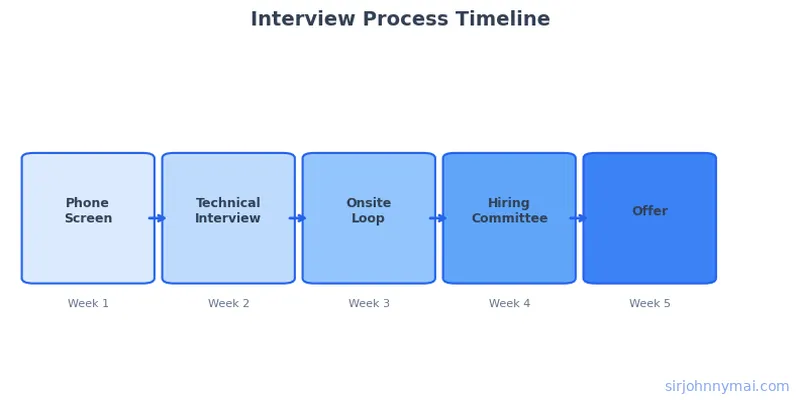
If you are stepping into an Amazon manager seat, the bar is already structured and unforgiving. Amazon says its interview loop typically includes four to six interviews lasting 45 to 60 minutes each, and the broader hiring process usually takes about three to six weeks, with feedback often within five business days after the loop (Amazon interview guide, Amazon loop).
What problem does the 1on1 System actually solve at Amazon?
It solves signal loss, not communication volume. In an Amazon Q3 talent review, the room does not care that you were available every Tuesday at 3 p.m. The room cares whether your 1:1s produced decisions, escalations, and evidence that your direct reports were getting better or drifting.
I have seen a hiring manager defend a borderline manager candidate by pointing to “strong relationships.” The debrief went cold when the panel asked for examples of actual behavior change. The manager with the clean notes, dated commitments, and crisp follow-up had the stronger case. Not warmth, but traceability.
That is the real function of the 1on1 System at Amazon. It turns private conversations into managerial evidence. It is not a calendar ritual, but a control system. It is not empathy by itself, but empathy compressed into action.
Amazon’s interview process makes the same assumption. The company says interviewers evaluate candidates against Leadership Principles and structured evidence, not general impressions (Leadership Principles guide, how Amazon hires). Inside the team, the same logic applies. If your 1:1s cannot survive a debrief, they were never management. They were conversation.
The counter-intuitive part is this: the better the company is at structured evaluation, the less room there is for informal leadership theater. Amazon is a place where people pay attention to written artifacts, who owns what, and what got decided when. A good 1on1 system is not extra polish. It is the minimum viable operating discipline.
Why does a senior IC turned manager need a system instead of instinct?
Instinct is too expensive when your job changes from doing work to distributing judgment. A senior IC can often rely on pattern recognition, speed, and direct problem solving. A manager cannot. Once you have direct reports, your first failure mode is not ignorance. It is overreach.
In one first-quarter manager debrief, the new manager kept jumping into technical detail in every 1:1. The team looked productive because the manager was busy. The skip-level feedback was blunt: people were waiting for answers instead of owning outcomes. That is the classic IC-to-manager trap. Not helping the team think, but doing the thinking for them.
The 1on1 System matters because it forces the manager to separate three things that ICs often merge: coaching, control, and rescue. Not solving, but steering. Not being liked, but being legible. Not giving advice, but creating ownership. Those are different managerial jobs, and Amazon is one of the few places where the difference gets exposed quickly.
The stakes are also higher than many new managers admit. Current Amazon Software Development Manager postings show base pay ranging from $166,400 to $287,700 depending on geography, before sign-on and RSUs (example posting, another posting). That is not a compensation band for improvisation. It is a signal that the company expects durable judgment.
A strong 1on1 system gives that judgment somewhere to live. It captures whether a direct report is blocked by skill, scope, confidence, or politics. It also tells you when the problem is not the person, but your own lack of clarity. Senior ICs turned managers often think the system is for managing others. In practice, it is also for auditing themselves.
The real organizational psychology principle here is simple: people escalate the messiest parts of management only when the manager has already made structured space for them. If your 1:1s are random, shallow, or purely tactical, your team will perform for you, not with you.
When does the 1on1 System become the wrong tool?
It becomes the wrong tool when you use structure to avoid conflict. A template can look like maturity while hiding passivity. A clean agenda is not the same as a hard conversation.
I have seen a manager bring a perfectly organized 1:1 doc into a debrief. The notes were neat, the bullets were consistent, and the calendar was full. The panel still rejected the manager because every sensitive issue had been softened into “follow up next week.” The system had become camouflage. That is the failure mode.
Not a script, but a diagnostic. Not therapy, but accountability. Not a place to reassure yourself, but a place to surface risk early. Those distinctions matter at Amazon because the culture is biased toward action under pressure. If a direct report is missing commitments, you do not need a better note-taking format. You need a direct conversation, an owner, a date, and a consequence.
The wrong version of the 1on1 System also turns managers into collectors of sentiment. That is weak management. People say things in 1:1s that they will never say in the team channel. Your job is not to archive every feeling equally. Your job is to identify which signal changes performance, promotion readiness, or attrition risk.
This is where many new managers confuse being supportive with being useful. Supportive can be lazy. Useful is specific. Supportive says “I hear you.” Useful says “Here is the decision, here is the next step, and here is what I will hold you to.” Amazon is not a company that rewards managerial softness if it delays action.
What makes the system worth the time in the first 90 days?
It is worth the time if it produces cleaner decisions before your team starts to drift. The first 90 days as a new Amazon manager are not about charisma. They are about building a readable operating cadence.
Amazon’s own hiring process gives a clue to the standard. The company says the interview loop is typically four to six interviews of 45 to 60 minutes each, and the process usually takes around three to six weeks, with feedback often coming within five business days after the loop (official guide). That is a compressed evidence machine. Your 1on1 system should work the same way inside the team. Fast enough to catch problems. Structured enough to defend decisions.
In the first 90 days, the system pays off in three places. You see who is actually independent. You see who needs context, not pressure. You see who is silently underperforming because nobody is writing the problem down. That is the point. Not morale tracking, but risk detection.
In a QBR or calibration discussion, a manager without a system has anecdotes. A manager with a system has a trail. The trail matters because it prevents revisionist history. It also reduces the temptation to confuse a pleasant relationship with a healthy one. Good 1:1s create fewer surprises. Fewer surprises is what makes a manager look senior.
This is also why the system is worth it for senior ICs specifically. ICs often believe credibility comes from answers. Managers discover credibility comes from repeatable judgment. A 1on1 system is the bridge between those two worlds.
What to Focus On Before the Interview
- Set a fixed 1:1 cadence for every direct report, then keep the agenda narrow: priorities, blockers, decisions, growth.
- End every meeting with one dated commitment, one owner, and one follow-up artifact.
- Separate coaching from performance management. If a conversation is about capability or reliability, write it as such.
- Review your notes before skip-levels and calibration meetings so you can speak in specifics, not general impressions.
- Track patterns, not anecdotes. If the same issue appears twice, treat it as a managerial signal.
- Work through a structured preparation system, the PM Interview Playbook covers Amazon Leadership Principles, STAR stories, and loop debrief examples with real debrief examples, which is useful if you are pressure-testing your manager stories for an Amazon loop.
- Ask one hard question in every 1:1: “What are you avoiding right now?”
Blind Spots That Sink Candidacies
- Turning 1:1s into status meetings.
BAD: “What did you finish this week?”
GOOD: “What decision are you blocked on, and what support do you need from me?”
A status meeting measures motion. A 1:1 should measure judgment and risk.
- Using structure to avoid hard feedback.
BAD: “Let’s keep an eye on it.”
GOOD: “You missed the commitment twice. Here is the gap, here is the standard, and here is the next date I will review.”
At Amazon, soft language does not remove the problem. It only delays it.
- Collecting notes without changing behavior.
BAD: “Great discussion, let’s revisit next week.”
GOOD: “Owner, date, expected output, and escalation path are written down before we leave the room.”
A note file is not management. It is only management if it changes what happens next.
FAQ
- Is the 1on1 System worth it for a new Amazon manager?
Yes, if you have multiple direct reports or inherited a mixed-performing team. No, if you are still treating management like extended IC work. The system is only valuable when it helps you see ownership, risk, and follow-through.
- Does it replace skip-levels or performance reviews?
No. It feeds them. The 1on1 System surfaces evidence early, while skip-levels and reviews convert that evidence into broader decisions. If you skip either one, you are managing blind.
- How fast should it show results?
You should see better signal within 30 to 60 days. If your 1:1s are working, you will get fewer surprises, cleaner commitments, and more direct conversations about performance and growth. If that is not happening, the system is decorative, not operational.