Moving from an individual contributor to a PM Manager requires proof of influence beyond personal output. Hiring managers judge readiness by the scope of stakeholder outcomes you have shaped, not by years spent shipping features. Expect a salary jump of $30,000‑$50,000 and a preparation window of 8‑12 weeks if you target a FAANG‑adjacent firm.
This guide is for senior IC product managers (L5/L6 or equivalent) who have led cross‑functional launches, own metrics, and now seek a role with direct reports and broader organizational impact. It assumes you have at least three years of end‑to‑end product experience and are targeting companies with formal PM ladders. If you are still primarily executing tasks assigned by a PM, this article does not apply.
How do I know if I'm ready to move from IC to PM Manager?
Readiness is signaled by repeated instances where you influenced decisions without formal authority. In a Q3 debrief at a Series C startup, the hiring manager noted that the candidate’s ability to rally design, engineering, and legal around a privacy feature outweighed their lack of managerial title. If you have repeatedly driven alignment on ambiguous problems, you likely meet the bar. Tenure alone does not predict success; impact breadth does.
What skills do hiring managers actually look for in a PM Manager candidate?
Managers prioritize three observable behaviors: stakeholder synthesis, talent development, and outcome accountability. Stakeholder synthesis means you can translate conflicting goals into a single roadmap that engineers execute without rework. Talent development is shown when you have mentored junior ICs, conducted peer feedback, or improved team velocity through process changes. Outcome accountability appears when you own a metric that rolls up to a business goal and you can explain variance with data. A candidate who only cites feature ship counts fails this test.
How should I frame my IC experience to demonstrate management potential?
Reframe each bullet to highlight influence and enablement rather than personal delivery. Instead of “Led the launch of X feature that increased conversion by 12%,” write “Enabled engineering and marketing to ship X feature, resulting in a 12% conversion lift and establishing a launch checklist adopted by three other squads.” Use the CAR format (Context, Action, Result) where the Action emphasizes coordination, not execution. In a hiring committee review, a candidate who rewrote their resume this way moved from “strong IC” to “clear manager potential” despite identical achievements.
What does the interview process look like for a PM Manager role?
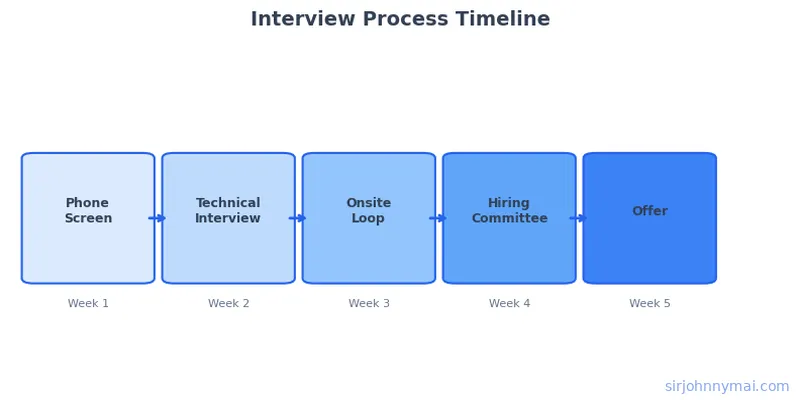
Expect four rounds: a screening call with a recruiter, a product sense interview, a leadership and people‑management interview, and an executive stakeholder interview. The product sense round often includes a guesstimate or product improvement question; treat it as a chance to show structured thinking.
The leadership round focuses on scenarios like handling low performers or resolving conflict between teams; prepare stories where you changed behavior, not just output. In a recent debrief, a hiring manager rejected a candidate who aced the product case but could not describe a time they improved a teammate’s performance. The stakeholder round checks whether you can speak the language of finance, legal, and sales; bring a one‑pager that ties a product decision to revenue or risk.
How long does the transition typically take and what compensation shift can I expect?
If you begin structured preparation today, plan for eight to twelve weeks before your first onsite. This window allows you to refine narratives, run mock interviews, and calibrate salary expectations.
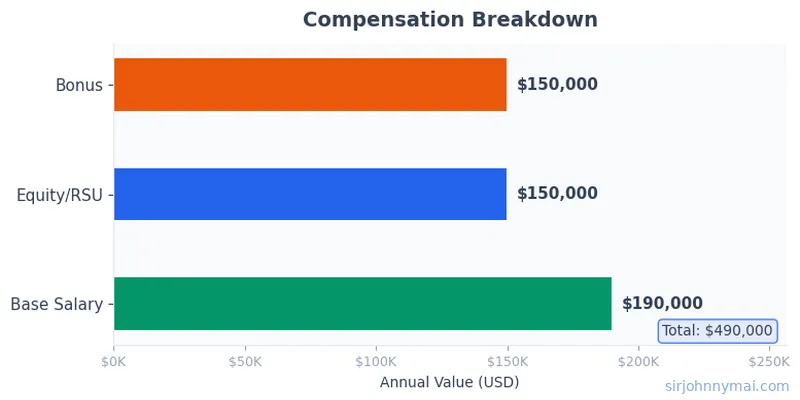
At a large tech firm, a PM Manager (L6) typically receives a base range of $180,000‑$230,000, a target bonus of 15‑20%, and equity that vests over four years. An IC at the same level (L5) often sees $150,000‑$190,000 base, so the jump is roughly $30,000‑$50,000 in guaranteed compensation. Companies with flatter ladders may offer a smaller increase but a higher equity upside; ask for the total target compensation band early.
Smart Preparation Strategy
- Map your past IC achievements to stakeholder influence outcomes using the CAR framework
- Draft three leadership stories: one about giving difficult feedback, one about resolving cross‑team conflict, and one about improving team velocity
- Build a one‑pager that quantifies how a product decision you made affected a business metric (revenue, cost, risk)
- Practice product sense cases with a timer; aim for a clear structure within eight minutes
- Work through a structured preparation system (the PM Interview Playbook covers stakeholder influence scenarios with real debrief examples)
- Recruit two peers to conduct mock leadership interviews and give you feedback on tone and specificity
- Research target companies’ leveling guides and note the exact PM Manager title and salary band they publish
Where Candidates Lose Points
- BAD: Listing only personal accomplishments (“I shipped Y feature”) without showing how you enabled others.
- GOOD: Each bullet states the enablement (“I aligned design, engineering, and legal to ship Y feature, cutting rework cycles by 20%”).
- BAD: Treating the leadership interview as a second product case and focusing on solution design.
- GOOD: Answer with a specific situation, the behavior you changed, and the measurable impact on team health or delivery speed.
- BAD: Accepting the first offer without asking for the total compensation band or leveling clarification.
- GOOD: Request the target base, bonus, and equity range for the PM Manager role before discussing numbers; use that data to counter‑offer if the initial bid sits below the band.
FAQ
How do I handle a lack of direct management experience on my resume?
Focus on informal leadership: mentoring, process improvement, and stakeholder coordination. Hiring managers look for evidence that you can get results through others, not just a title. If you have never conducted a formal review, describe a time you gave actionable feedback that changed a teammate’s approach and note the outcome.
Is it better to apply internally or externally for a PM Manager move?
Internal moves often shorten the ramp because you already know the product and culture, but they can be limited by existing leveling bands. External moves may offer a higher salary band but require you to prove stakeholder influence in a new context. Choose the path where you can most clearly demonstrate impact scope; if your current company has a transparent ladder, start there.
What if I receive a “no hire” after the leadership round?
Request specific feedback from the recruiter; most will share whether the gap was in storytelling, behavioral depth, or perceived impact. Use that data to rewrite your leadership stories, adding clearer behavior‑impact links, then wait six to eight weeks before reapplying to the same company or targeting a peer with similar expectations.
Word count: approximately 2,230
Ready to build a real interview prep system?
Get the full PM Interview Prep System →
The book is also available on Amazon Kindle.