Judgment: Success in Salesforce PMP interviews hinges on demonstrating scalable system thinking, not just product knowledge. Prepare with a focus on architectural decision-making and customer-centric scenarios. Typical preparation time: 8-12 weeks, with a salary range of $175,000-$220,000 for successful candidates.
How Do I Prepare for Salesforce's Unique Product Manager Interview Questions?
Judgment: Focus on scenario-based questions that test your ability to balance customer needs with Salesforce's platform constraints. Not X (Generic Product Questions), but Y (Platform-Specific Scenarios).
- Insider Scene: In a recent debrief, a candidate failed because they couldn't articulate how they'd leverage Salesforce's existing APIs to solve a customer's customization request.
- Insight Layer: Understand Salesforce's "Customer 360" strategy to frame your product visions.
- Example Question: "How would you design a new feature for Marketing Cloud that integrates with an external, non-Salesforce CRM, considering data sync and privacy concerns?"
What Are the Most Common Salesforce PMP Interview Technical Skills to Master?
Judgment: While technical proficiency is key, Salesforce weighs System Thinking (how your feature impacts the entire platform) over mere technical knowledge.
- Specific Numbers: Allocate 40% of your prep time to system thinking exercises, 30% to cloud computing basics, and 30% to Salesforce-specific tech (e.g., Lightning Platform).
- Counter-Intuitive Observation: Knowing Apex or Lightning Components is less critical than understanding how to make architectural decisions that scale across the platform.
How Do I Showcase My Understanding of Salesforce's Business and Market?
Judgment: Demonstrate how your product decisions align with Salesforce's strategic priorities (e.g., AI integration, sustainability initiatives). Not X (Focusing solely on market share), but Y (Aligning with Strategic Initiatives).
- Scene Setting: A hiring manager once rejected a candidate who couldn't link their product vision to Salesforce's Trailblazer strategy.
- Framework: Use the "Salesforce Strategic Alignment Matrix" to map your product ideas against company priorities.
What's the Typical Salesforce PMP Interview Process Timeline and Rounds?
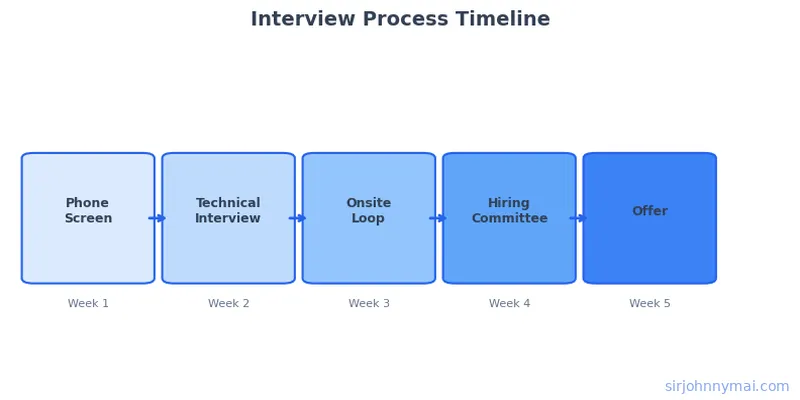
Judgment: Plan for a 6-8 week process with 5 rounds: 1 Initial Screen, 2 Product Scenarios, 1 Technical Deep Dive, and 1 Final Panel Review.
- Timeline Days: Average 10-14 days between rounds; be prepared to adapt quickly to feedback.
- Rounds Insight: The Technical Deep Dive round often decides the outcome, focusing on your system thinking under pressure.
How to Get Interview-Ready
- Research Deep Dive: Spend 2 weeks on Salesforce's annual reports and latest product releases.
- System Thinking Exercises: Practice with 10+ scenarios focusing on platform-wide impacts.
- Mock Interviews: Arrange 5 sessions with current or former Salesforce PMs.
- Work through a structured preparation system: The PM Interview Playbook covers "Scaling Product Decisions in Cloud Environments" with real Salesforce debrief examples, helping you master system thinking.
- Develop a Strategic Alignment Document: Map 3 product ideas against Salesforce's current strategic initiatives.
Common Pitfalls in This Process
| BAD | GOOD |
|---|---|
| Focusing Only on Feature Requests | Balancing Customer Needs with Platform Scalability |
| Lacking Specifics on Salesforce Tech | Providing Detailed, Scenario-Based Tech Examples |
| Ignoring Strategic Alignment | Explicitly Tying Product Visions to Salesforce Initiatives |
FAQ
Q: How Important is Prior Experience with Salesforce Products?
Judgment: Not crucial, but demonstrating how your existing experience (even with competitors) informs your system thinking is vital. Highlight transferable skills over direct product knowledge.
Q: Can I Prepare Successfully in Less Than 8 Weeks?
Judgment: Highly unlikely for a thorough preparation. However, focusing intensely on system thinking and strategic alignment can somewhat mitigate the time constraint, but expect diminished performance in technical rounds.
Q: Are There Any Non-Technical Aspects I Should Emphasize?
Judgment: Yes, Customer Empathy and the ability to communicate complex technical decisions to non-technical stakeholders are equally valued. Prepare scenarios that highlight both.
Ready to build a real interview prep system?
Get the full PM Interview Prep System →
The book is also available on Amazon Kindle.