Deloitte's Product Manager interviews prioritize consulting aptitude over traditional product development experience, focusing on structured problem-solving, client-facing communication, and strategic advisory skills. The multi-stage process evaluates your ability to leverage product methodologies to address enterprise client challenges, demanding strong analytical and presentation capabilities. Candidates must demonstrate an understanding that the "product" at Deloitte often represents a strategic solution or internal capability for a client, not a mass-market offering.
Deloitte's PM interview process is not a direct assessment of product building, but rather an evaluation of your capacity to translate complex client needs into strategic, implementable solutions within a consulting framework. Your success hinges on demonstrating analytical rigor, executive communication, and a deep understanding of how product principles apply to enterprise problems, rather than consumer-facing features. The firm seeks candidates who can navigate ambiguity and influence stakeholders in high-stakes client environments.
This guide is for experienced product managers, senior business analysts, or management consultants considering a Product Manager role at Deloitte. It is particularly relevant for those transitioning from traditional tech product companies who need to understand the distinct expectations of a product role within a professional services firm. Candidates with a background in enterprise software, strategic consulting, or client delivery will find the insights here critical for aligning their experience with Deloitte’s specific hiring criteria.
What is the Deloitte PM interview process timeline?
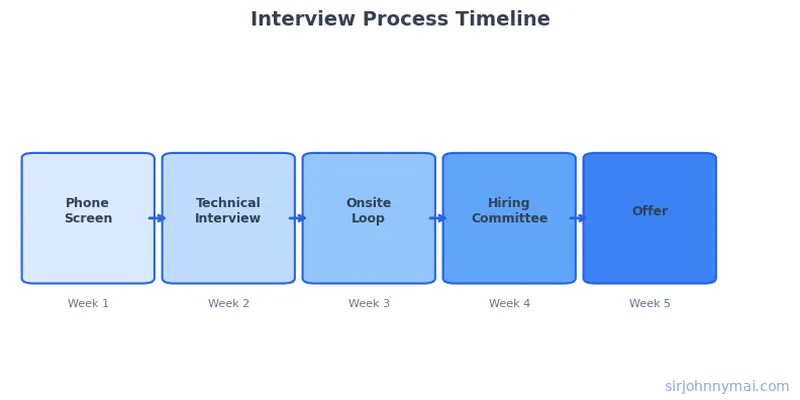
The Deloitte PM interview process typically spans 4-8 weeks, marked by an initial recruiter screen, 2-3 rounds of behavioral and technical assessments, and a final 1-2 partner interviews often including a strategic case study. This timeline can fluctuate based on internal team availability and the urgency of specific client engagements.
During a Q3 debrief for a Senior Product Manager role, we extended the timeline for a strong candidate by two weeks because the relevant Partner was deep in a critical client deliverable, illustrating that external factors often dictate the pace. The process is not a rigid, linear progression, but a series of evaluations designed to fit into an operational consulting model.
The initial recruiter screen assesses basic qualifications and cultural fit, ensuring alignment with Deloitte’s core values and the demands of a consulting lifestyle. This is not merely a resume check; it’s an initial filter for executive presence and communication clarity.
Subsequent rounds delve into past project experience, problem-solving capabilities, and strategic thinking, often through structured behavioral questions and tactical product discussions. Unlike a FAANG interview that might focus on API design, a Deloitte interview will likely probe how you managed scope creep with a difficult client or how you articulated value to a steering committee. The core challenge isn't demonstrating technical depth, but rather the ability to translate technical concepts into business value for a non-technical audience.
> 📖 Related: Deloitte PM Career Growth: Opportunities and Challenges
What kind of product management roles does Deloitte offer?
Deloitte's Product Manager roles are primarily client-facing consulting positions, demanding strategic advisory and solution implementation expertise more than direct product ownership of a singular, market-facing software product. In a hiring committee debate, a candidate who presented an impressive portfolio of consumer app launches was flagged because their experience lacked the enterprise context and client relationship management crucial for our roles. The "product" at Deloitte often manifests as a custom digital platform, a strategic roadmap for digital transformation, or an internal operational tool developed for a client's specific business challenge.
These roles require a blend of traditional product management skills—market analysis, roadmap definition, stakeholder management—but applied within a consulting engagement model. You are not managing a P&L for a product line in the conventional sense; rather, you are managing the product strategy and delivery for a client project.
This means navigating complex organizational structures, managing client expectations, and driving consensus among diverse client stakeholders. The problem isn't your ability to write user stories, it's your capacity to define the strategic problem space for a multi-million dollar client engagement and then architect a product-centric solution.
How do Deloitte PM interviews assess problem-solving skills?
Problem-solving in Deloitte PM interviews is tested through structured case studies that prioritize analytical rigor, client empathy, and the ability to synthesize complex information into actionable recommendations. I recall a debrief where a candidate excelled at brainstorming product features but failed to articulate a clear problem statement derived from the client's stated business objectives within the case.
This signaled a fundamental misunderstanding of the context. The interviewers are not looking for a "correct" answer, but rather a robust, logical framework for dissecting a business challenge, identifying key drivers, and proposing a product-led solution that addresses the client's strategic goals.
Candidates are expected to demonstrate a structured approach: clarifying the problem, breaking it down into manageable components, identifying relevant data points, and then constructing a recommendation grounded in evidence and sound reasoning. The emphasis is on the journey of your thought process, not just the destination.
This isn't about designing the next social media feature; it's about advising a Fortune 500 company on how to optimize its supply chain using a new digital platform. The problem isn't your creativity with solutions; it's your judgment in framing the problem and selecting the most impactful levers for a specific client context.
> 📖 Related: Deloitte PM Career Path: Opportunities and Challenges
What behavioral attributes are critical for Deloitte PM success?
Deloitte PM interviews heavily weigh communication, executive presence, and adaptability, assessing a candidate's fit for a high-stakes, client-centric consulting environment. During a hiring manager conversation about a final round candidate, the primary concern wasn't their technical acumen, but their perceived ability to command a room of C-suite executives and articulate complex ideas with conviction and clarity. These roles demand more than just managing a development team; they require influencing senior client stakeholders, navigating political landscapes, and building trust.
Your ability to present complex ideas simply, listen actively, and respond thoughtfully under pressure is paramount. This isn't about being a "nice" person; it's about projecting confidence, competence, and reliability.
Candidates are evaluated on their ability to structure their thoughts, articulate their rationale, and engage in a professional, persuasive dialogue. The problem isn't your experience with difficult teammates, it's your demonstrated capacity to manage difficult client personalities and drive project consensus in ambiguous situations. Adaptability is key, as client needs and project scopes can shift rapidly, requiring agile thinking and a resilient mindset.
What is the typical salary range for a Deloitte Product Manager?
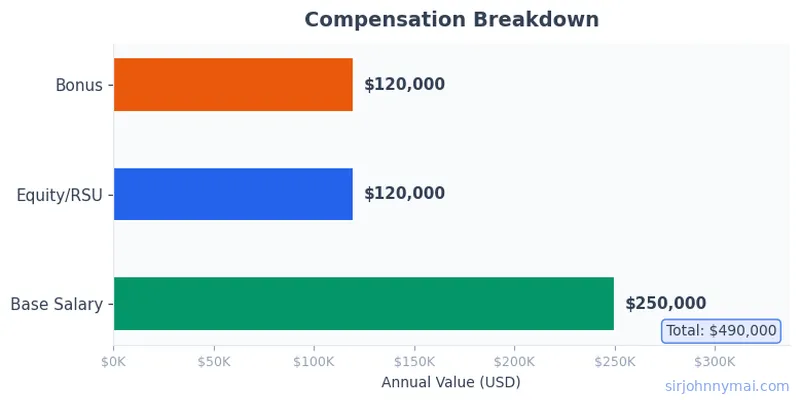
Deloitte Product Manager salaries typically range from $120,000 to $220,000 base for mid-level roles, with total compensation potentially reaching $150,000 to $280,000 including performance-based bonuses, varying significantly by location, specific offering, and experience level. These figures reflect the blend of consulting market rates and the competitive demands for product talent. Unlike a pure tech company where compensation is often heavily weighted toward equity, Deloitte's compensation structure relies more on base salary and a substantial performance bonus tied to individual utilization, project success, and client satisfaction.
Senior Product Manager or Product Lead roles will naturally command higher figures, with base salaries extending upwards of $250,000 and total compensation packages exceeding $350,000 for top performers in high-demand markets like New York or San Francisco. The compensation model reflects the value placed on client delivery, strategic impact, and the ability to drive revenue for the firm. The problem isn't just about your experience; it's about how your experience translates into billable client value and successful project outcomes, which directly impacts your bonus potential.
Smart Preparation Strategy
- Deep Dive into Deloitte's Offerings: Understand the specific "Accelerate," "Greenhouse," or industry-specific digital transformation services Deloitte offers. Your answers should reflect this context.
- Master Case Interview Frameworks: Practice structured problem-solving for business cases, not just product design. Focus on client needs, market analysis, and strategic recommendations.
- Refine Executive Communication: Practice articulating complex ideas concisely and persuasively. Simulate presenting to senior leadership or client executives.
- Quantify Consulting Impact: Frame your past product achievements in terms of business value delivered, client problems solved, and revenue impact, not just user growth or feature launches.
- Behavioral Storytelling: Prepare STAR method stories that highlight leadership, collaboration with difficult stakeholders, adaptability, and resilience in high-pressure situations.
- Understand Consulting Culture: Research the demands of client travel, project-based work, and professional development within a large consulting firm.
- Work through a structured preparation system (the PM Interview Playbook covers consulting case frameworks and client management strategies with real debrief examples).
Where the Process Gets Unforgiving
BAD: Focusing solely on user experience and technical specifications without connecting them to business value or client strategic objectives.
GOOD: "For the client's proposed new digital portal, instead of just optimizing the login flow, my recommendation focuses on integrating it with their existing CRM system to reduce client onboarding time by 15%, directly addressing their stated goal of improving operational efficiency and client retention."
BAD: Lacking structure in case study responses, jumping directly to solutions without a clear problem breakdown or hypothesis.
GOOD: "Before proposing a solution for the client's declining market share, I'd first clarify the core business objective. Is it revenue growth, profitability, or market penetration? Then, I'd structure my analysis around external factors (market trends, competition) and internal factors (product portfolio, sales efficiency) to diagnose the root cause."
BAD: Underestimating the importance of executive presence and communication, delivering answers in a conversational or overly casual manner.
GOOD: Maintaining a composed demeanor, making direct eye contact, and articulating judgments with conviction, even when discussing complex or ambiguous topics. "My assessment of the current market indicates a clear opportunity in the B2B SaaS space, provided the client can differentiate through a robust ecosystem integration strategy, which I believe is achievable within an 18-month roadmap."
FAQ
Is Deloitte PM like Google PM?
No, Deloitte PM differs significantly from Google PM. Google PM roles focus on building products for internal users or mass consumers, emphasizing technical depth and direct product ownership. Deloitte PM roles are client-facing, advisory positions where "product" often means a strategic solution or custom platform for enterprise clients, requiring strong consulting, communication, and business acumen.
Do I need a consulting background to be a Deloitte PM?
While a consulting background is advantageous, it is not strictly mandatory. Candidates from tech product roles can succeed if they demonstrate strong analytical problem-solving, structured communication, and an understanding of enterprise client needs. The firm seeks individuals who can apply product principles within a client-service model, translating technical expertise into strategic business value.
How important is cultural fit in Deloitte PM interviews?
Cultural fit is critical, extending beyond typical teamwork to encompass executive presence, adaptability, and resilience in a client-centric environment. Deloitte assesses your capacity to build trust with senior clients, manage ambiguity, and thrive in dynamic project settings. Your ability to communicate professionally, influence stakeholders, and maintain composure under pressure is a significant evaluation factor.
Ready to build a real interview prep system?
Get the full PM Interview Prep System →
The book is also available on Amazon Kindle.