Transitioning from a designer to a product manager requires a strategic approach, focusing on developing relevant skills and showcasing a strong understanding of product development. Successful transitions often involve a 3-6 month preparation period, with a salary increase of $20,000-$50,000. A well-structured approach ensures a smooth transition.
What Skills Do I Need to Transition from Designer to PM?
To transition from a designer to a PM, you need to develop skills in product strategy, data analysis, and stakeholder management. It's not about being a good designer, but about being a good product leader. For instance, during a Google PM interview, I saw a candidate struggle to articulate a product vision, despite having a strong design background. The key is to focus on product development skills, not design skills.
How Do I Prepare for PM Interviews as a Designer?
Preparing for PM interviews as a designer requires a structured approach. It's not about reading books, but about working through real-world examples. In a Q3 debrief, a hiring manager mentioned that a candidate's lack of concrete examples led to a rejection. Familiarize yourself with common PM interview frameworks, such as the Google PM interview framework, which includes sections on product sense, technical skills, and leadership.
What Are the Key Differences Between Designer and PM Roles?
The primary difference between designer and PM roles is the focus on product strategy and development. As a designer, you focus on UI/UX; as a PM, you focus on the overall product vision. For example, a designer might focus on creating a user-friendly interface, while a PM must consider the product's overall strategy and market impact. Not every design skill is transferable, but your problem-solving skills are.
How Do I Leverage My Design Experience in a PM Role?
To leverage your design experience in a PM role, focus on your understanding of user needs and product development. It's not about being a design expert, but about being a product expert. During a PM interview at Facebook, a candidate effectively used their design experience to articulate a product vision, impressing the interviewer.
What Are the Most Important PM Interview Questions for Designers?
The most important PM interview questions for designers include those on product strategy, data analysis, and stakeholder management. Not every question requires a technical answer, but rather a strategic one. For example, a common PM interview question is "What would you do if you had to launch a product with a tight deadline?" A good answer would involve a clear product strategy and development plan.
A Practical Prep Framework
- Develop a strong understanding of product strategy and development
- Work through a structured preparation system (the PM Interview Playbook covers product sense frameworks with real debrief examples)
- Practice articulating product visions and strategies
- Familiarize yourself with common PM interview frameworks
- Prepare examples of your experience with data analysis and stakeholder management
- Review product development processes and methodologies
What Trips Up Even Strong Candidates
- BAD: Focusing too much on design skills and not enough on product strategy
- GOOD: Emphasizing your understanding of user needs and product development
- BAD: Not preparing concrete examples of your experience
- GOOD: Using specific examples to demonstrate your skills
- BAD: Underestimating the importance of stakeholder management
- GOOD: Showing a clear understanding of stakeholder needs and priorities
FAQ
Q: What is the typical salary range for a PM with a design background?
A: The typical salary range for a PM with a design background is $120,000-$180,000 per year.
Q: How long does it take to transition from a designer to a PM?
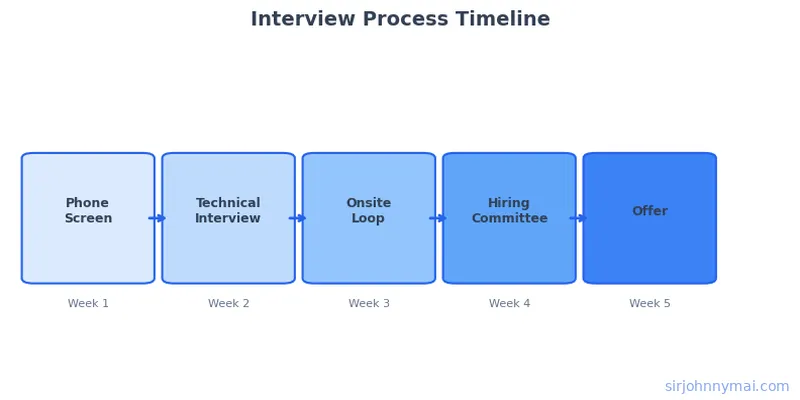
A: The transition from a designer to a PM typically takes 3-6 months of preparation and 1-3 months of interviews.
Q: What are the most important skills for a PM with a design background?
A: The most important skills for a PM with a design background are product strategy, data analysis, and stakeholder management.
Ready to build a real interview prep system?
Get the full PM Interview Prep System →
The book is also available on Amazon Kindle.