Transitioning from Engineer to PM at a top-tier company typically takes 3-6 months, with a 20-30% salary increase potential. Success hinges on showcasing business acumen, not just technical skills. Prepare to face 4-5 interview rounds.
What Are the Key Skills Engineers Lack for PM Roles?
Engineers often underestimate the importance of business case development and stakeholder management in PM positions. Unlike engineering, PM success is measured by product market fit and team collaboration, not coding proficiency.
Insider Scene: In a Google PM debrief, a candidate failed because they "solved the technical problem beautifully but couldn’t articulate the business value or how they’d sell the solution internally."
How Do I Highlight Non-Technical Skills as an Engineer?
Highlight project management aspects of your engineering work, such as leading a team, managing external dependencies, or driving a project from concept to launch. Quantify your impact (e.g., "Improved project timeline by 30% through agile methodology").
Specific Example: An engineer at Amazon highlighted how they coordinated with cross-functional teams to resolve a critical deployment issue, demonstrating PM-like skills.
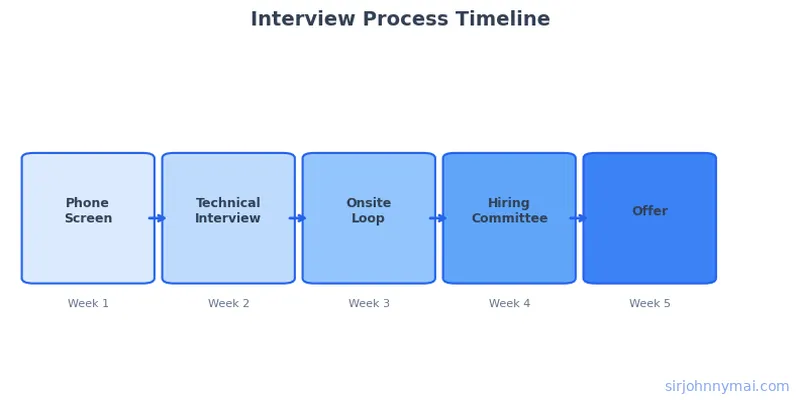
What’s the Typical Interview Process for Engineer to PM Transitions?
Expect 4-5 rounds:
- Phone Screen (30 minutes, behavioral questions)
- Product Design Round (90 minutes, solve a product problem)
- Business Case Round (90 minutes, defend a business proposal)
- Leadership & Culture Fit (60 minutes, with a Director or VP)
- Final Panel (120 minutes, comprehensive review)
Timeline: Average 45 days from application to offer.
How Deep Should My Product Knowledge Be for the Interview?
You don’t need to be an expert in a specific domain, but you must demonstrate the ability to learn quickly and make informed decisions with limited information. Prepare to ask insightful questions during the product design round.
Insider Tip: A candidate preparing for a Facebook PM role worked through the PM Interview Playbook's "Product Development Scenarios" to improve their decision-making under uncertainty.
A Practical Prep Framework
- Review Financials: Understand basic financial metrics (ARR, CAC, LTV) - Work through a structured preparation system; the PM Interview Playbook covers "Business Case Development" with real debrief examples.
- Practice Design Thinking: Solve 10+ product problems out loud
- Network Internally: Speak with current PMs at your target company
- Build a Personal Project: Demonstrate initiative and product thinking
- Prepare Behavioral Stories: Using the STAR method, focusing on leadership and collaboration
Where Candidates Lose Points
| BAD | GOOD |
|---|---|
| Focusing Only on Technical Solutions | Balancing Technical, Business, and User Needs |
| Lacking Specific Examples in Interviews | Using Quantifiable Achievements in Stories |
| Not Showing Enthusiasm for the PM Role’s Challenges | Expressing Genuine Interest in Stakeholder Management and Market Analysis |
FAQ
Q: Can I Transition Without an MBA?
A: Yes, but be prepared to work harder to demonstrate business acumen. Highlight any relevant courses, certifications, or self-study in business fundamentals.
Q: How Long Until I See a Significant Salary Increase?
A: Immediately upon transition, expect a 20-30% increase. Subsequent increases are tied to performance, typically reviewed after the first year in the PM role.
Q: What If I Fail the Transition?
A: Not failing, but delaying is common. Re-evaluate your preparation, seek feedback, and consider interim roles (e.g., Product Owner) to build necessary skills.
Ready to build a real interview prep system?
Get the full PM Interview Prep System →
The book is also available on Amazon Kindle.