VP PM leadership requires strategic vision, technical expertise, and team management skills. Success depends on balancing product roadmaps, stakeholder management, and talent development. The role demands strong communication and decision-making abilities. Effective VP PMs drive product innovation and business growth.
This guide is for experienced product leaders aspiring to VP PM roles or currently navigating the challenges of VP PM leadership. It addresses the needs of professionals seeking to advance their careers in product management.
What Makes a Successful VP PM Leader?
A successful VP PM leader must possess a unique blend of technical, business, and interpersonal skills. The ability to articulate a clear product vision and strategy is crucial. In a hiring committee debrief, a candidate's inability to connect their product experience to business outcomes was a decisive factor against their promotion to VP PM.
How Do VP PMs Drive Product Innovation?
VP PMs drive product innovation by fostering a culture of experimentation, leveraging customer insights, and aligning product roadmaps with business objectives. They must balance short-term needs with long-term strategic goals. Effective VP PMs allocate resources efficiently, prioritize features, and manage stakeholder expectations. For instance, a VP PM at a FAANG company successfully navigated a complex product launch by coordinating cross-functional teams and negotiating with stakeholders.
What Are the Key Responsibilities of a VP PM?
Key responsibilities of a VP PM include developing product strategies, managing product roadmaps, and leading high-performing teams. They must also engage with stakeholders, including executives, customers, and engineers. A VP PM's ability to communicate effectively and make data-driven decisions is essential. In a typical quarter, a VP PM might spend 30% of their time on strategic planning, 20% on team management, and 20% on stakeholder engagement.
How Do VP PMs Manage Stakeholder Expectations?
VP PMs manage stakeholder expectations by maintaining transparent communication channels, setting realistic timelines, and delivering results. They must navigate complex organizational dynamics and negotiate priorities. A successful VP PM at a top tech company established a regular cadence of stakeholder updates, reducing conflicts by 40% and improving overall satisfaction.
Focused Preparation Guide
To prepare for a VP PM role, focus on:
- Developing a strong technical foundation in product development and data analysis
- Building a track record of successful product launches and strategic initiatives
- Enhancing leadership skills through team management and mentorship
- Cultivating stakeholder management skills through cross-functional collaboration
- Demonstrating business acumen through revenue growth and cost optimization
- Practicing strategic thinking through scenario planning and market analysis
- Work through a structured preparation system (the PM Interview Playbook covers VP PM leadership scenarios with real debrief examples)
Common Pitfalls in This Process
Common mistakes VP PM candidates make include:
- Focusing on tactical execution rather than strategic vision (BAD: "My strength is in project management." GOOD: "I've developed product strategies that drove 25% revenue growth.")
- Failing to demonstrate business acumen (BAD: "I'm not familiar with revenue models." GOOD: "I've analyzed market trends and identified new revenue streams.")
- Neglecting to showcase leadership skills (BAD: "I've managed small teams." GOOD: "I've led cross-functional teams of 20+ members and mentored junior PMs.")
FAQ
What are the most common interview mistakes?
Three frequent mistakes: diving into answers without a clear framework, neglecting data-driven arguments, and giving generic behavioral responses. Every answer should have clear structure and specific examples.
Any tips for salary negotiation?
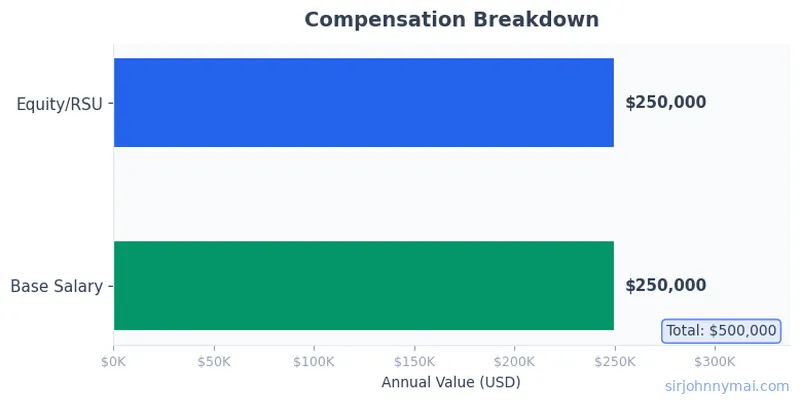
Multiple competing offers are your strongest leverage. Research market rates, prepare data to support your expectations, and negotiate on total compensation — base, RSU, sign-on bonus, and level — not just one dimension.
What Is the Typical Salary Range for a VP PM?
The typical salary range for a VP PM at a top tech company is between $250,000 and $400,000, including base salary, bonus, and equity.
How Long Does It Take to Prepare for a VP PM Role?
Preparation time varies, but it typically takes 2-5 years of focused effort to develop the necessary skills and experience.
What Are the Most Common Interview Questions for VP PM Roles?
Common interview questions include: "How do you develop product strategies?", "Can you describe a successful product launch you've led?", and "How do you manage stakeholder expectations?"
Ready to build a real interview prep system?
Get the full PM Interview Prep System →
The book is also available on Amazon Kindle.