Transitioning from MBA to Product Manager (PM) at a FAANG-level company requires leveraging business acumen, demonstrating technical aptitude, and showcasing strategic thinking. Typically, successful candidates see a 20-30% salary increase, to $160K-$220K in the US. The process takes 12-18 weeks, with 4-5 interview rounds. Judgment: Without tailored preparation, even strong MBAs often fail to convert.
Can My MBA Background Alone Guarantee a PM Position?
Answer in Under 60 Words: No, an MBA alone doesn't guarantee a PM role. Hiring managers at Google, for example, prioritize demonstrated technical understanding and product sense over business degree pedigree. Insight Layer: FAANG companies value MBAs for business acumen but require evidence of adaptability to tech-specific challenges. Not X, but Y: It's not about the degree; it's about applying its learnings to product decisions.
Scene: In a debrief at Amazon, a hiring manager noted, "The MBA candidate's financial analysis was impressive, but they couldn't articulate how they'd prioritize features based on customer feedback."
How Do I Demonstrate Technical Aptitude Without a Technical Background?
Answer in Under 60 Words: Leverage your MBA's analytical skills to learn and discuss tech trends, practice explaining complex ideas simply, and use case studies to show how you'd interact with engineering teams. Framework: Use the "Triple C" Approach - Curiosity (ask informed questions), Clarity (explain tech in simple terms), Collaboration (outline how you'd work with engineers).
Insight: At Facebook, non-technical PMs who successfully transitioned were those who could clearly articulate product visions to both business and tech stakeholders.
What Are the Key Differences in Interviewing for PM vs. Traditional MBA Roles?
Answer in Under 60 Words: PM interviews focus on product sense, technical communication, and strategic decision-making under uncertainty, unlike MBA roles which might emphasize leadership, finance, or general management. Counter-Intuitive Observation: Showing vulnerability in your decision-making process (e.g., acknowledging a lack of data) can be a strength.
Scene Cut: A Microsoft PM interview turned positive when the candidate admitted, "With more data on user retention, I'd..." demonstrating humility and a growth mindset.
How Long Does the Average Transition and Hiring Process Take?
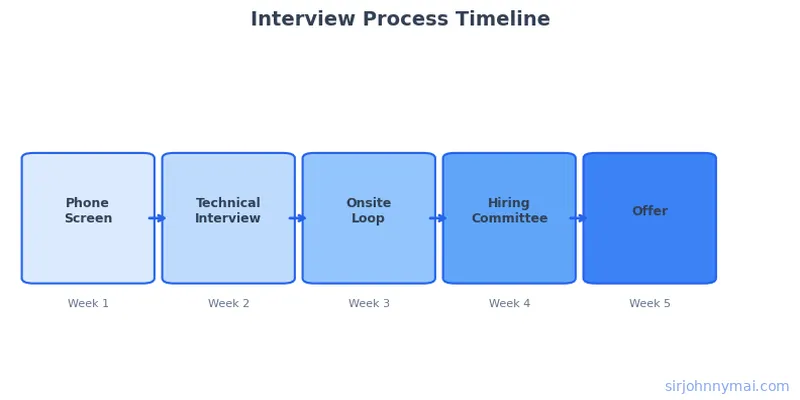
Answer in Under 60 Words: The transition preparation can take 3-6 months, with the hiring process lasting 12-18 weeks, involving 4-5 rounds of interviews (e.g., phone screen, product design, behavioral, and a final panel). Timeline Example:
- Week 1-4: Application and Initial Screen
- Week 5-8: Technical and Product Design Rounds
- Week 9-12: Behavioral and Final Panel
- Week 13-18: Offer Negotiation and Onboarding Prep
Where Candidates Should Invest Time
- Deep Dive into Tech News: Spend 30 minutes daily on TechCrunch, VentureBeat.
- Practice with Real-World Case Studies: Use publicly available PM interview questions.
- Work through a Structured Preparation System: The PM Interview Playbook covers crafting compelling product design scenarios with real debrief examples from Facebook and Google interviews.
- Network with Current PMs: Aim for at least 2 informational interviews per week.
- Develop a Personal Project: Showcase your ability to ideate, design, and iterate on a product concept.
Common Pitfalls in This Process
| BAD | GOOD |
|---|---|
| Overemphasizing MBA Projects Without Tech Context | Frame MBA Projects with Tech-Product Lessons Learned |
| Not Preparing to Discuss Current Tech Trends | Be Ready to Analyze the Impact of Trends (e.g., AI in Product Development) |
| Failing to Show Willingness to Learn Technical Skills | Proactively Discuss How You Plan to Deepen Your Technical Knowledge |
FAQ
Q: Can I Transition Directly into a Senior PM Role with My MBA?
A: Rarely. Most MBAs start as Associate or Entry-Level PMs. Judgment: Direct senior roles require prior PM experience or an exceptionally strong, relevant tech background.
Q: How Crucial are Coding Skills for a Non-Technical MBA Transitioning to PM?
A: While not mandatory, basic coding understanding (e.g., Python basics) can be a significant plus. Judgment: Focus more on technical communication skills, but some coding knowledge enhances credibility.
Q: What if I Don't Get a PM Role After 6 Months of Trying?
A: Reassess your approach: seek feedback, possibly take an intermediary role (e.g., Product Marketing), or enhance your technical skills. Judgment: Persistence with reflection is key; blind repetition of the same strategy is futile.
Ready to build a real interview prep system?
Get the full PM Interview Prep System →
The book is also available on Amazon Kindle.