Salary negotiation for Product Managers (PMs) requires strategic preparation. Judgment: PMs can reasonably negotiate a 15%-20% increase from the initial offer. Prepare to discuss market value, not personal need. Negotiation success hinges on data-driven arguments, not emotional appeals.
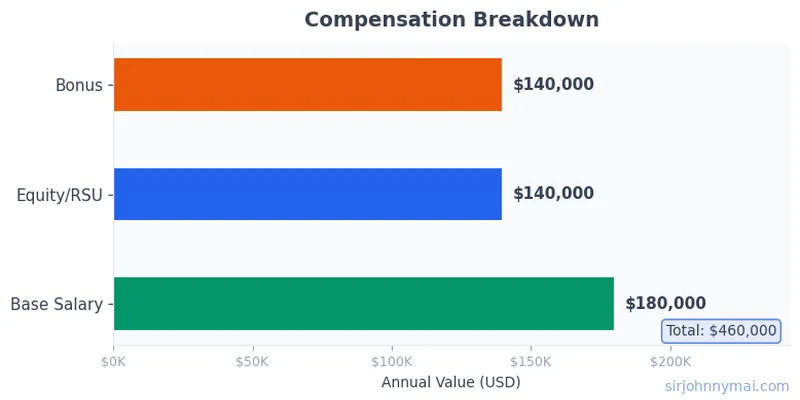
This guide is for Product Managers with 2-5 years of experience, expecting a salary range of $140,000-$220,000 per annum in the United States, preparing for negotiations with FAANG-level or similar tech companies.
How Do I Determine My Worth for Salary Negotiation?
Conclusion First: Use national averages, internal sources (if possible), and external salary databases (e.g., Glassdoor, Payscale) to establish a baseline. For a PM in the US, a reasonable baseline might be $160,000/year, with a negotiation target of $192,000 (20% above baseline).
Insider Scene: In a debrief for a Facebook PM position, the hiring manager revealed the initial $170,000 offer had a $15,000 negotiation buffer. Insight Layer: Leverage tools like Levels.fyi for precise company-specific data.
Not X, but Y:
- Not just relying on your current salary.
- But focusing on the market rate for the specific company and role.
> 📖 Related: Instacart PM Vs Comparison Guide 2026
When Should I Bring Up Salary in the Interview Process?
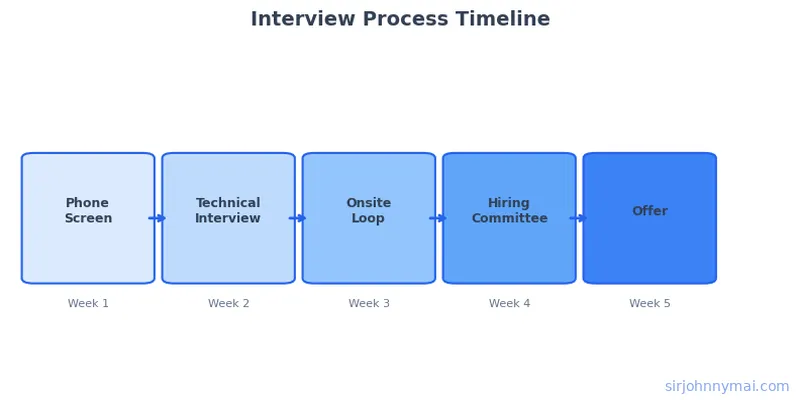
Conclusion First: Discuss salary after the first positive interview round but before the final offer, ideally during the second or third round out of a typical 5-round process.
Scenario: In a Google PM interview process, waiting until the post-reference-check round (round 4 of 5) allowed the candidate to negotiate from a position of strength. Timeline Example:
- Round 1 (Week 1): Initial Interview
- Round 2 (Week 2): Discuss Salary Ranges ("We typically offer between $150,000-$180,000")
- Negotiation Window: Before Round 3 (Week 3)
- Rounds 3-5 (Weeks 4-6): Subsequent Interviews and Final Offer
How Do I Respond to "What's Your Expected Salary"?
Conclusion First: Redirect with a range based on your research, e.g., "$160,000 to $190,000, depending on the total compensation package."
Hiring Manager Conversation: A candidate's direct answer ("At least $180,000") limited negotiation room, whereas another's range ("Between $155,000 to $185,000") kept the conversation open. Insight Layer: Anchoring the high end of your range can set a beneficial negotiation baseline.
> 📖 Related: Netflix vs Spotify PM Salary Comparison
What Are Non-Salary Benefits I Can Negotiate?
Conclusion First: Focus on additional vacation days, flexible work arrangements, a more substantial signing bonus, or professional development funds.
Real Negotiation: An Amazon PM candidate successfully traded a $5,000 reduction in salary for an additional 10 days off and a $10,000 development budget. Not X, but Y:
- Not overlooking non-monetary perks.
- But prioritizing those aligning with your long-term goals.
Can I Negotiate After Receiving the Final Offer?
Conclusion First: Yes, but your leverage is significantly reduced. Focus on one key aspect to change (e.g., stock options).
Debrief Insight: A candidate negotiating stock after the "final" offer at Microsoft secured an additional $8,000 in annual stock grants but was told, "This is truly our last adjustment."
The Prep That Actually Matters
- Research: Utilize Levels.fyi and Glassdoor for precise salary data.
- Practice: Role-play negotiations to comfortable assertiveness.
- Package Analysis: Evaluate the entire compensation package, not just salary.
- Work through a structured preparation system: The PM Interview Playbook covers negotiating strategies with real debrief examples, specifically highlighting how to frame market value arguments for FAANG companies.
- Identify Non-Negotiables: Clearly define your walk-away points.
How Strong Candidates Still Fail
| BAD | GOOD |
|---|---|
| Emotional Appeals ("I really need this") | Data-Driven Arguments ("Given market research...") |
| No Clear Target | Defined Salary Range ($160,000-$190,000) |
| Negotiating Via Email Without Discussion | Scheduled Call for Negotiation |
FAQ
Q: How Long After the Interview Should I Wait to Negotiate?
A: Ideally, negotiate within 3-5 business days of receiving the offer, to keep the momentum.
Q: Can I Use Competing Offers as Leverage?
A: Yes, but only if the offer is real and aligned with your desired role. Transparency about the competing offer's specifics can strengthen your position.
Q: What If the Company Says "No" to All Negotiations?
A: Evaluate if the role's non-negotiable aspects (company culture, growth opportunities) outweigh the salary. Walking away might be the best long-term decision.
Ready to build a real interview prep system?
Get the full PM Interview Prep System →
The book is also available on Amazon Kindle.
Related Reading
- [](https://sirjohnnymai.com/blog/google-vs-airbnb-pm-role-comparison-2026)
- Compass PM hiring process complete guide 2026