SAP PM and Oracle PM roles have distinct differences in responsibilities, required skills, and career paths. SAP PMs focus on integrating business processes, while Oracle PMs emphasize technical product management. Salaries and career growth opportunities vary between the two.
What Are the Key Responsibilities of SAP PMs vs Oracle PMs?
SAP PMs are responsible for defining and delivering product features that meet business requirements, with a focus on integrating SAP solutions with other business systems. Oracle PMs, on the other hand, focus on technical product management, defining product vision and roadmap, and working closely with engineering teams.
How Do SAP PM and Oracle PM Roles Differ in Terms of Required Skills?
SAP PMs require strong business acumen, process integration expertise, and experience with SAP solutions. Oracle PMs need technical expertise, data analysis skills, and experience with Oracle products. While both roles require strong communication and project management skills, SAP PMs need to be more business-focused, and Oracle PMs need to be more technically oriented.
What Are the Salary Ranges for SAP PMs and Oracle PMs?
SAP PM salaries range from $120,000 to $180,000 per year, depending on experience and location. Oracle PM salaries range from $150,000 to $220,000 per year, with top-end salaries often exceeding $250,000. Not experience, but specific skills and location determine salary.
How Do Career Paths Differ for SAP PMs and Oracle PMs?
SAP PMs often move into senior PM roles, program management, or business development positions. Oracle PMs can transition into technical leadership roles, such as director of product management or VP of engineering. Not surprisingly, Oracle PMs have more opportunities in technical fields, while SAP PMs have more opportunities in business-focused areas.
What Is the Interview Process Like for SAP PMs and Oracle PMs?
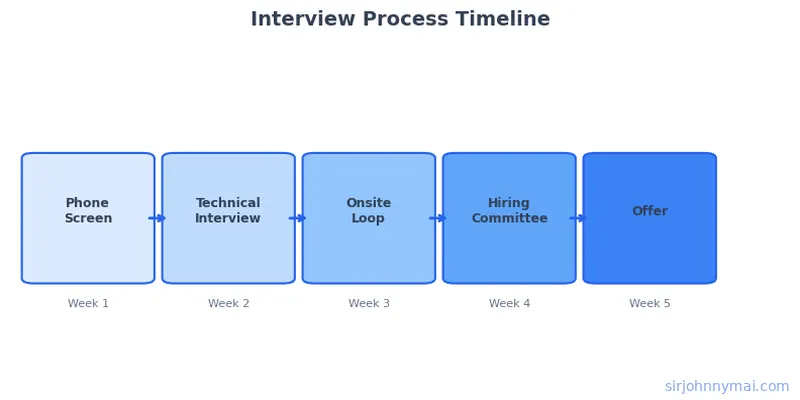
The SAP PM interview process typically involves 4-6 rounds, with a mix of behavioral, technical, and case study interviews. Oracle PM interviews involve 5-7 rounds, with a focus on technical skills, product knowledge, and leadership abilities. Not easy, but preparation is key; work through a structured preparation system (the PM Interview Playbook covers Oracle PM interview questions with real debrief examples).
Smart Preparation Strategy
- Research the company's products, services, and mission
- Review common PM interview questions and practice responses
- Prepare examples of past experiences and accomplishments
- Develop a deep understanding of business acumen and technical skills
- Network with current or former SAP or Oracle PMs
- Review and practice case studies and technical problems
Patterns That Signal Weak Preparation
BAD: Not tailoring your resume and cover letter to the specific PM role.
GOOD: Customizing your application materials to highlight relevant skills and experiences.
BAD: Failing to prepare for technical interviews.
GOOD: Reviewing technical concepts and practicing problem-solving.
BAD: Not asking informed questions during the interview process.
GOOD: Preparing thoughtful questions to demonstrate interest and expertise.
FAQ
Q: What is the main difference between SAP PM and Oracle PM roles?
A: SAP PMs focus on business process integration, while Oracle PMs emphasize technical product management.
Q: Which role has better salary prospects?
A: Oracle PMs tend to have higher salary ranges, but SAP PMs can still earn competitive salaries.
Q: Can I transition from a SAP PM role to an Oracle PM role?
A: Yes, but it may require developing technical skills and experience with Oracle products.
Ready to build a real interview prep system?
Get the full PM Interview Prep System →
The book is also available on Amazon Kindle.