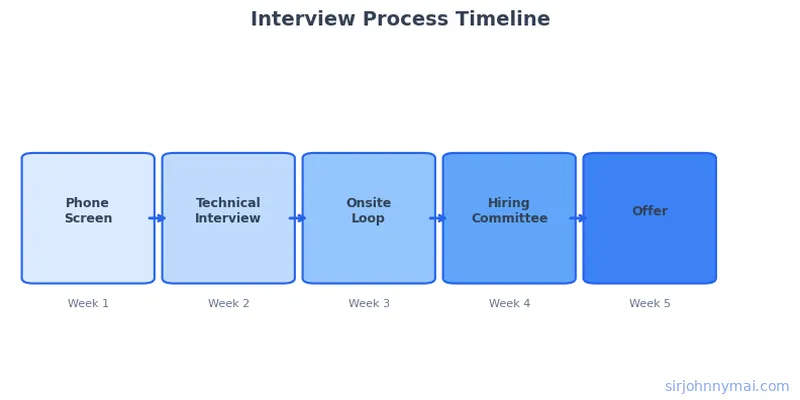
Transitioning from MBA to PM requires strategic planning, skill development, and a deep understanding of product management. The process typically takes 3-6 months of preparation and involves 4-6 interview rounds. Successful candidates demonstrate strong analytical skills and business acumen.
This guide is for MBA graduates or current MBA students looking to transition into product management roles. If you're coming from a non-technical background or have limited experience in product development, this article will help you navigate the challenges and opportunities in the PM career path.
What's the Typical Career Path from MBA to PM?
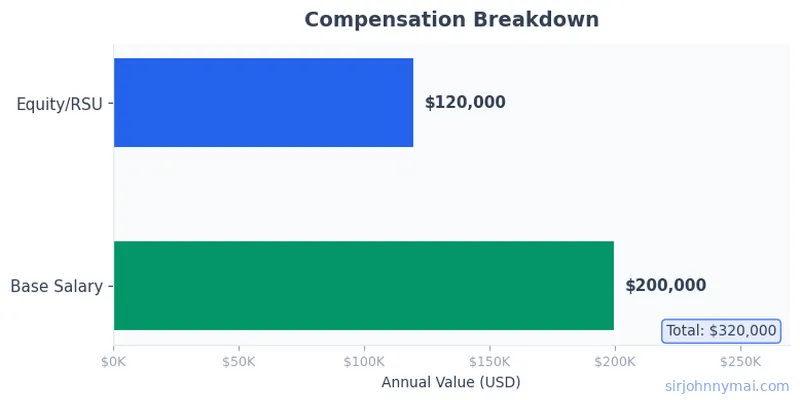
The journey from MBA to PM typically starts with internships or entry-level positions in product management or related fields. Most successful candidates have 1-2 years of relevant experience, with top tech companies often requiring additional skills such as coding or technical expertise. The average salary range for PMs at top tech companies is $120,000 - $200,000 per year.
How Do I Prepare for PM Interviews After MBA?
Preparation for PM interviews involves developing a strong understanding of product management frameworks, practicing case studies, and demonstrating business acumen. Not just memorizing frameworks, but applying them to real-world scenarios is crucial. Work through a structured preparation system (the PM Interview Playbook covers product sense and execution with real debrief examples) to improve your chances.
What Skills Do I Need to Transition from MBA to PM?
To transition from MBA to PM, you need to develop skills in product management, data analysis, and technical communication. Not just having an MBA degree, but demonstrating practical skills such as product development, market analysis, and stakeholder management is essential. Top companies look for candidates who can drive product decisions with data-driven insights.
How Long Does it Take to Break into PM After MBA?
Breaking into PM after MBA typically takes 3-6 months of preparation and involves 4-6 interview rounds. The timeline varies depending on individual backgrounds and company requirements. Not rushing through the preparation process, but focusing on skill development and interview practice is critical.
Essential Preparation Steps
To increase your chances of transitioning from MBA to PM:
- Develop a strong understanding of product management frameworks
- Practice case studies and product development scenarios
- Improve your data analysis and technical communication skills
- Network with current PMs and learn from their experiences
- Work through a structured preparation system (the PM Interview Playbook covers product sense and execution with real debrief examples)
- Prepare for common PM interview questions and behavioral interviews
Where Candidates Lose Points
When transitioning from MBA to PM, avoid:
- BAD: Focusing solely on theoretical knowledge without practical application
- GOOD: Developing a portfolio of product development projects and case studies
- BAD: Neglecting to develop technical skills such as coding or data analysis
- GOOD: Taking online courses or attending workshops to improve technical skills
- BAD: Overemphasizing MBA coursework without demonstrating real-world experience
- GOOD: Highlighting relevant projects, internships, or work experience in product management
FAQ
What are the most common interview mistakes?
Three frequent mistakes: diving into answers without a clear framework, neglecting data-driven arguments, and giving generic behavioral responses. Every answer should have clear structure and specific examples.
Any tips for salary negotiation?
Multiple competing offers are your strongest leverage. Research market rates, prepare data to support your expectations, and negotiate on total compensation — base, RSU, sign-on bonus, and level — not just one dimension.
What Are the Most Common Challenges MBA Grads Face When Transitioning to PM?
The most common challenges include developing practical product management skills, improving technical communication, and demonstrating business acumen. Not having direct product experience, but showing potential and a willingness to learn can be mitigated with proper preparation.
How Important is Technical Background for MBA Grads Transitioning to PM?
A technical background is not always necessary, but having some technical skills such as coding or data analysis can be beneficial. Not having a technical background, but demonstrating a strong understanding of product management and business acumen can still lead to success.
Can I Transition to PM Without Prior Product Experience?
Yes, it's possible to transition to PM without prior product experience, but it requires strong preparation and a willingness to learn. Not having direct product experience, but showing relevant skills such as data analysis, market research, or project management can be sufficient.
Ready to build a real interview prep system?
Get the full PM Interview Prep System →
The book is also available on Amazon Kindle.